


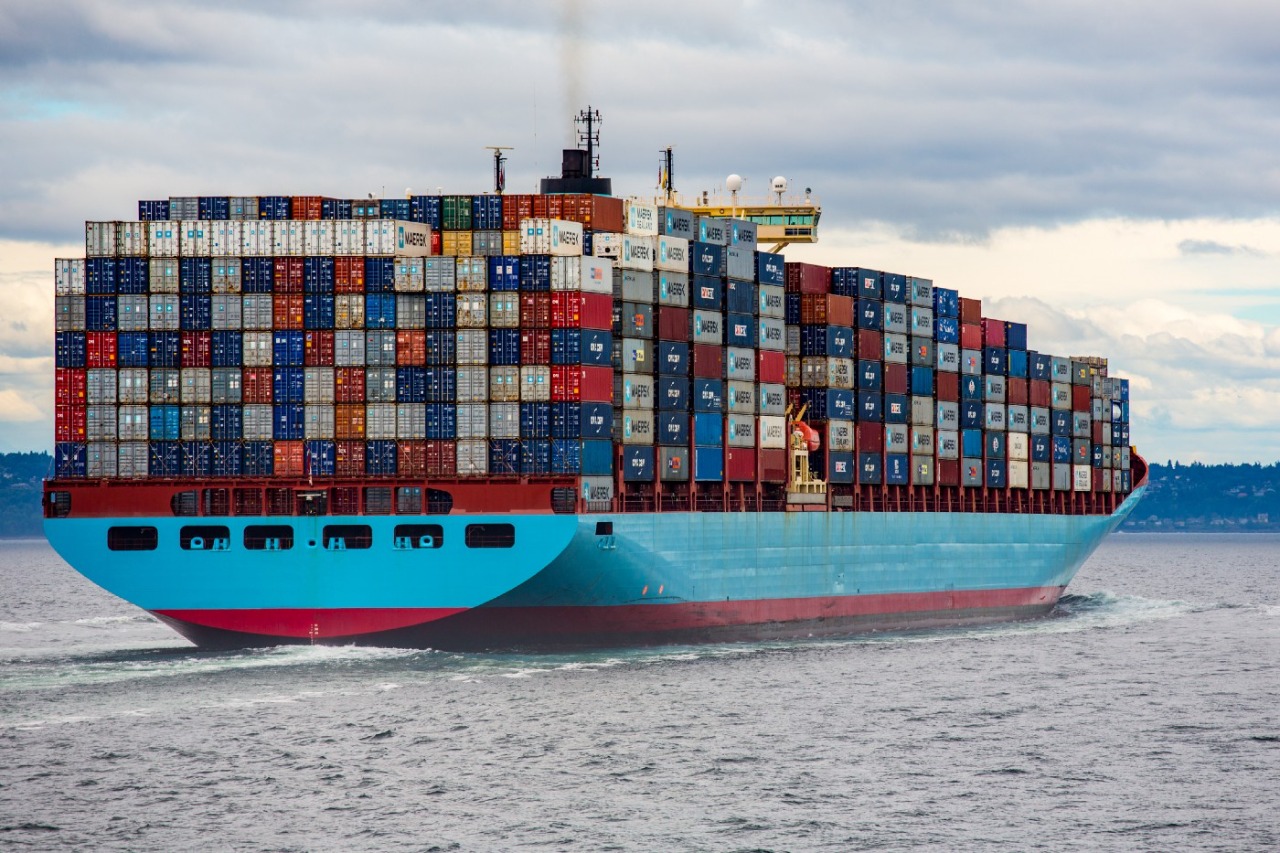
The international shipping industry is responsible for the carriage of around 90% of world trade. Without shipping, intercontinental trade, the bulk transport of raw materials, and the import/export of affordable food and manufactured goods would simply not be possible.
Seaborne trade continues to expand, bringing benefits for consumers across the world through competitive freight costs. In this blog we will try to understand the shipping industry.
The main transport mode for global trade is ocean shipping: around 90% of traded goods are carried over the waves. Maritime transport forms part of a whole cluster of economic activities that can create economic value added.
The period 2015 to 2018 saw more countries participating in less traditional ocean-based activities, including seafood processing, sport boats and marine-based cosmetics, showing the potential of emerging ocean sectors.
It is important to note that transportation safety and security regulations have their advantages and disadvantages, which can be reflected not only in cases of fatalities and injuries but also costs incurred and the effectiveness of their implementations. The most evident advantage of such regulatory practices is safety and security increase, which means that both transportation users and nearby individuals are safer due to certain measures imposed on users and providers. In other words, people are less likely to get hurt or killed due to negligence from users and providers since the regulations outline severe consequences for non-adherence.
The structure of transportation networks influences the spatial distribution of emissions. Centralized networks experience a concentration of traffic and emissions at specific locations (hubs), but are using less energy since the average distance is shorter. Dispersed networks may be perceived at the local scale as more environmentally friendly since they tend to be less intensively used, but are consuming much more energy. Therefore, a centralized network has more local externalities while a diffused network has more global externalities.
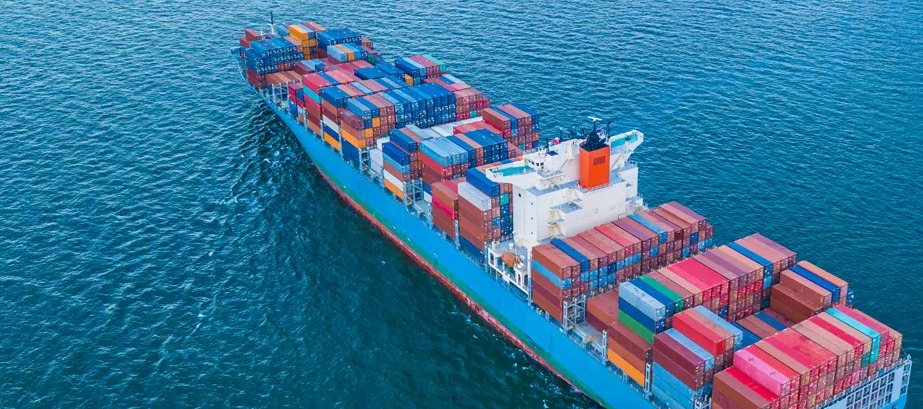
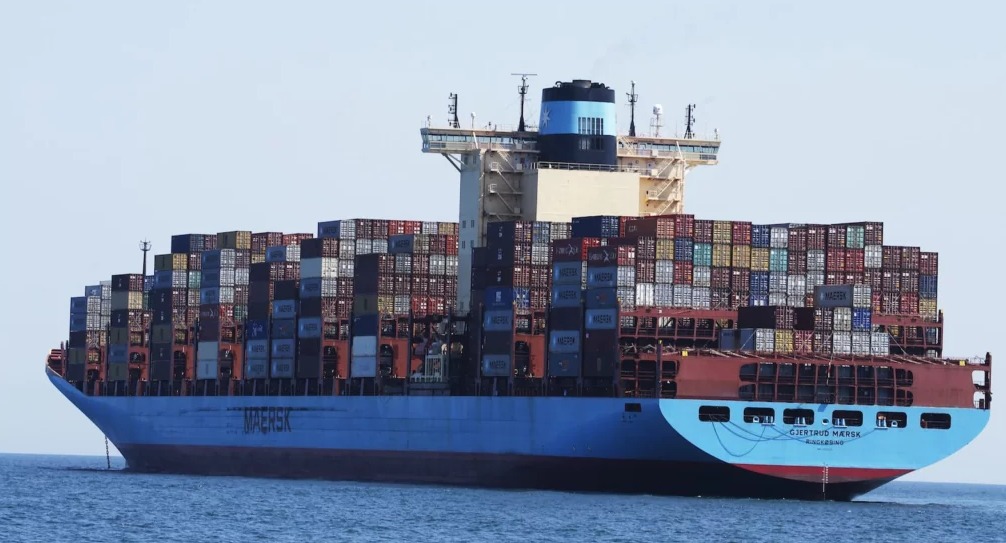
The international shipping industry is responsible for the carriage of around 90% of world trade. Shipping is the life blood of the global economy. Without shipping, intercontinental trade, the bulk transport of raw materials, and the import/export of affordable food and manufactured goods would simply not be possible.
Seaborne trade continues to expand, bringing benefits for consumers across the world through competitive freight costs. Thanks to the growing efficiency of shipping as a mode of transport and increased economic liberalization, the prospects for the industry’s further growth continue to be strong. There are over 50,000 merchant ships trading internationally, transporting every kind of cargo. The world fleet is registered in over 150 nations and manned by nearly 2 million seafarers